Film Classification Guidelines

The film classification guidelines are about how the national classification and censorship of films and video works (E.g, television programmes, adverts, trailers, public information, campaigning films, menus, bonus content, etc) are determined through the level of content they convey to the audience.
The British Board of Film Classification (BBFC), is a non-governmental organisation founded by the film industry in 1912 and has a statutory requirement to classify all video works released on VHS, DVD, Blu-Ray and to some lesser extent video games, under the Video Recordings Act 1984.
BBFC Insight is a short description of the issues found in a film or video work.
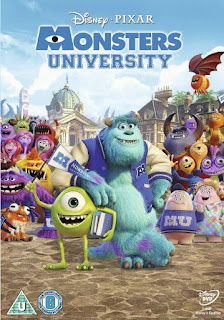
U - Universal (Suitable for all)
 A U film should be suitable for audiences ages four years and above.
U films should be set within a positive framework and should offer reassuring counterbalances to to any threat, violence or horror. If a work is particularly suitable for pre-school, this will be indicated in the BBFC Insight.
Discrimination
Discriminatory language or behaviour is unlikely to be acceptable unless clearly disproved of.
Drugs
 Reference to illegal drugs or drug misuse must be infrequent and innocuous, or have a clear educational purpose or anti-drug message suitable for children.
Imitable Behaviour
Potentially dangerous or anti-social behaviour which young children may copy must be clearly disproved of. No emphasis on realistic or easily accessible weapons.
Language
Infrequent use only of very mild bad language.
Nudity
Occasional nudity, with no sexual content.
Sex
 Only very mild sexual behaviour (E.g kissing) and references to such behaviour.
Threat
Scary or potentially unsettling sequences should be mild, brief and unlikely to cause undue anxiety to young children. The outcome should be reassuring.
Violence
Violence will generally be very mild. Mild violence may be acceptable if its justified by context (E.g comedic, animated, wholly, unrealistic, etc).
PG - Parental Guidance
 General viewing, but some scenes may be unsuitable for young children. A PG film should not unsettle a child aged around eight or older. Unaccompanied children of any age may watch, but parents are advised to consider whether the content may upset younger or more sensitive children.
Discrimination
Discriminatory language or behaviour is unlikely to be acceptable unless disapproved of, or in an educational or historical context, or in a particularly dated work with no likely appeal to children. Discrimination by a character with whom children can readily identify is unlikely to be acceptable.
Drugs
 References to illegal drugs or drug misuse must be innocuous or
carry a suitable anti-drug message.
Imitable Behaviour
No detail of potentially dangerous behaviour that young children are likely to copy, if that behaviour is presented as safe or fun. No glamorisation of realistic or easily accessible weapons such as knives. No focus on anti-social behaviour which young children are likely to copy.
Language
Mild bad language only. Aggressive or very frequent use of mild bad language may result in a work being passed at a higher category.
Nudity
There may be nudity with no sexual content.
Sex
 Sexual activity may be implied, but should be discreet and infrequent. Mild sex references and innuendo only.
Threat
Frightening sequences or situations where characters are in danger should not be prolonged or intense. Fantasy settings may be a mitigating factor.
Violence
Violence will usually be mild. However there may be moderate violence, without detail, if justified by its context (E.g history, comedy or fantasy).
12A/12 - (Suitable for 12 years and over)
 Films classified 12A and video works classified 12 contain material that is not generally suitable for children aged under 12. No one younger than 12 may see a 12A film in a cinema unless accompanied by an adult. Adults planning to take a child under 12 to view a 12A film should consider whether the film is suitable for that child. To help them decide, they are recommended to check the BBFC Insight for that film in advance. No one younger than 12 may rent or buy a 12 rated video work.
Discrimination
 Discriminatory language or behaviour must not be endorsed by the work as a whole. Aggressive discriminatory language or behaviour is unlikely to be acceptable unless clearly condemned.
Drugs
Misuse of drugs must be infrequent and should not be glamorised or give instructional detail.
Imitable Behaviour
No promotion of potentially dangerous behaviour which children are likely to copy. No glamorisation of realistic or easily accessible weapons such as knives. No endorsement of anti-social behaviour.
Language
There may be moderate language. Strong language may be permitted, depending on the manner in which it is used, who is using the language, it's frequency within the work as a whole and any special contextual justification.
Nudity
 There may be nudity, but in sexual context it must be brief and discreet.
Sex
Sexual activity may be briefly and discreetly portrayed. Moderate sex references are permitted, but frequent crude references are unlikely to be acceptable.
Threat
There may be moderate physical and psychological threat and horror sequences. Although some scenes may be disturbing, the overall tone should not be. Horror sequences should not be frequent or sustained.
Violence
There may be moderate violence but it should not dwell on detail. There should be no emphasis on injuries or blood, but occasional gory moments may be permitted if justified by the context. Sexual violence may only be implied or briefly and discreetly indicated, and its depiction must be justified by context.
15 - (Only suitable for 15 years and over)
 No one younger than 15 may see a 15 film in a cinema. No one younger than 15 may rent or buy a 15 rated video work.
Discrimination
The work as a whole must not endorse discriminatory language or behaviour, although there may be racist, homophobic or other discriminatory themes and language.
Drugs
Drug taking may be shown but the work as a whole must not promote or encourage drug misuse (E.g instructional detail). The misuse of easily accessible and highly dangerous substance (E.g aerosols or solvents) is unlikely to be acceptable.
Imitable Behaviour
 Dangerous behaviour (E.g hanging, suicide and self-harming) should not dwell on detail which could be copied. Whether the depiction of easily accessible weapons is acceptable will depend on factors such as realism, context and setting.
Language
There may be strong language. Very strong language may be permitted, depending on the manner in which it is used, who is using the language, its frequency within the work as a whole and any special contextual justification.
Nudity
There are no constraints on nudity in a non-sexual or educational context. There may be nudity in a sexual context but usually without strong detail.
Sex
 Sexual activity may be portrayed, but usually without strong detail. There may be strong verbal references to sexual behaviour, but the strongest references are unlikely to be acceptable unless justified by context. Works whose primary purpose is sexual arousal or stimulation are unlikely to be acceptable.
Threat
There may be strong threat and horror. A sustained focus on sadistic or sexual threat is unlikely to be acceptable.
Violence
Violence may be strong but should not dwell on the infliction of pain or injury. The strongest gory images are unlikely to be acceptable. Strong sadistic violence is also unlikely to be acceptable. There may be detailed verbal references to sexual violence but the depiction of sexual violence must be discreet and justified by context.
18 - (Only suitable for 18 years and over)
 No one younger than 18 may see an 18 film in a cinema. No one younger than 18 may rent or buy an 1 rated video work. Adults should be free to choose their own entertainment.
Exceptions are most likely in the following areas:
- Where the material is in breach of criminal law, or has been created through the commission of criminal offence.
- Where material or treatment appears to us to risk harm to individuals or, through their behaviour, to society (E.g the detailed portrayal of sadistic or sexual violence which make this violence look appealing; reinforcing the suggestion that victims enjoy sexual violence; or which invite viewer complicity in sexual violence or other harmful violent activities.
- Where there are more explicit images of sexual activity in the context of a sex work or where the primary purpose of the images in question is sexual arousal in the case of the video works, which may be more accessible to younger viewers, intervention may be more frequent than for cinema films.
Sex Education at 18
 Where sex material genuinely seeks to inform and educate in matters such as human sexuality or safer sex and health, explicit images of sexual activity may be permitted.
Sex Works at 18
Sex works are works whose primary purpose is sexual arousal or stimulation. Sex works containing only material which may be stimulated are generally passed 18. Sex works containing clear images of real sex, strong fetish material, sexually explicit animated images, or other very strong sexual images will be confined to the R18 category. Material which is unacceptable in a sex work at R18 is also unacceptable in a sex work at 18.
R18 - (To be shown only in specially licensed cinemas, or suppplied only in licensed sex shops, and to adults only
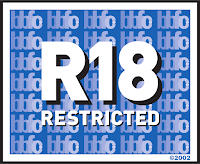 The R18 category is a special legally-restricted classification primarily for explicit works of consenting sex or strong fetish material involving adults. Films may only be shown to adults in specially licensed cinemas, and video works may be supplied to adults only in licensed sex shops. R18 video works may not be supplied by mail order.
Sources:
https://www.bbfc.co.uk/what-classification/guidelines (Visited 25/12/18)
The British Board of Film Classification (BBFC), is a non-governmental organisation founded by the film industry in 1912 and has a statutory requirement to classify all video works released on VHS, DVD, Blu-Ray and to some lesser extent video games, under the Video Recordings Act 1984.
BBFC Insight is a short description of the issues found in a film or video work.
U - Universal (Suitable for all)
 A U film should be suitable for audiences ages four years and above.
U films should be set within a positive framework and should offer reassuring counterbalances to to any threat, violence or horror. If a work is particularly suitable for pre-school, this will be indicated in the BBFC Insight.
Discrimination
Discriminatory language or behaviour is unlikely to be acceptable unless clearly disproved of.
Drugs
Reference to illegal drugs or drug misuse must be infrequent and innocuous, or have a clear educational purpose or anti-drug message suitable for children.Imitable Behaviour
Potentially dangerous or anti-social behaviour which young children may copy must be clearly disproved of. No emphasis on realistic or easily accessible weapons.
Language
Infrequent use only of very mild bad language.
Nudity
Occasional nudity, with no sexual content.
Sex
 Only very mild sexual behaviour (E.g kissing) and references to such behaviour.
Threat
Scary or potentially unsettling sequences should be mild, brief and unlikely to cause undue anxiety to young children. The outcome should be reassuring.
Violence
Violence will generally be very mild. Mild violence may be acceptable if its justified by context (E.g comedic, animated, wholly, unrealistic, etc).
PG - Parental Guidance
 General viewing, but some scenes may be unsuitable for young children. A PG film should not unsettle a child aged around eight or older. Unaccompanied children of any age may watch, but parents are advised to consider whether the content may upset younger or more sensitive children.
Discrimination
Discriminatory language or behaviour is unlikely to be acceptable unless disapproved of, or in an educational or historical context, or in a particularly dated work with no likely appeal to children. Discrimination by a character with whom children can readily identify is unlikely to be acceptable.
Drugs
 References to illegal drugs or drug misuse must be innocuous or
carry a suitable anti-drug message.
Imitable Behaviour
No detail of potentially dangerous behaviour that young children are likely to copy, if that behaviour is presented as safe or fun. No glamorisation of realistic or easily accessible weapons such as knives. No focus on anti-social behaviour which young children are likely to copy.
Language
Mild bad language only. Aggressive or very frequent use of mild bad language may result in a work being passed at a higher category.
Nudity
There may be nudity with no sexual content.
Sex
 Sexual activity may be implied, but should be discreet and infrequent. Mild sex references and innuendo only.
Threat
Frightening sequences or situations where characters are in danger should not be prolonged or intense. Fantasy settings may be a mitigating factor.
Violence
Violence will usually be mild. However there may be moderate violence, without detail, if justified by its context (E.g history, comedy or fantasy).
12A/12 - (Suitable for 12 years and over)
 Films classified 12A and video works classified 12 contain material that is not generally suitable for children aged under 12. No one younger than 12 may see a 12A film in a cinema unless accompanied by an adult. Adults planning to take a child under 12 to view a 12A film should consider whether the film is suitable for that child. To help them decide, they are recommended to check the BBFC Insight for that film in advance. No one younger than 12 may rent or buy a 12 rated video work.
Discrimination
 Discriminatory language or behaviour must not be endorsed by the work as a whole. Aggressive discriminatory language or behaviour is unlikely to be acceptable unless clearly condemned.
Drugs
Misuse of drugs must be infrequent and should not be glamorised or give instructional detail.
Imitable Behaviour
No promotion of potentially dangerous behaviour which children are likely to copy. No glamorisation of realistic or easily accessible weapons such as knives. No endorsement of anti-social behaviour.
Language
There may be moderate language. Strong language may be permitted, depending on the manner in which it is used, who is using the language, it's frequency within the work as a whole and any special contextual justification.
Nudity
 There may be nudity, but in sexual context it must be brief and discreet.
Sex
Sexual activity may be briefly and discreetly portrayed. Moderate sex references are permitted, but frequent crude references are unlikely to be acceptable.
Threat
There may be moderate physical and psychological threat and horror sequences. Although some scenes may be disturbing, the overall tone should not be. Horror sequences should not be frequent or sustained.
Violence
There may be moderate violence but it should not dwell on detail. There should be no emphasis on injuries or blood, but occasional gory moments may be permitted if justified by the context. Sexual violence may only be implied or briefly and discreetly indicated, and its depiction must be justified by context.
15 - (Only suitable for 15 years and over)
 No one younger than 15 may see a 15 film in a cinema. No one younger than 15 may rent or buy a 15 rated video work.
Discrimination
The work as a whole must not endorse discriminatory language or behaviour, although there may be racist, homophobic or other discriminatory themes and language.
Drugs
Drug taking may be shown but the work as a whole must not promote or encourage drug misuse (E.g instructional detail). The misuse of easily accessible and highly dangerous substance (E.g aerosols or solvents) is unlikely to be acceptable.
Imitable Behaviour
 Dangerous behaviour (E.g hanging, suicide and self-harming) should not dwell on detail which could be copied. Whether the depiction of easily accessible weapons is acceptable will depend on factors such as realism, context and setting.
Language
There may be strong language. Very strong language may be permitted, depending on the manner in which it is used, who is using the language, its frequency within the work as a whole and any special contextual justification.
Nudity
There are no constraints on nudity in a non-sexual or educational context. There may be nudity in a sexual context but usually without strong detail.
Sex
 Sexual activity may be portrayed, but usually without strong detail. There may be strong verbal references to sexual behaviour, but the strongest references are unlikely to be acceptable unless justified by context. Works whose primary purpose is sexual arousal or stimulation are unlikely to be acceptable.
Threat
There may be strong threat and horror. A sustained focus on sadistic or sexual threat is unlikely to be acceptable.
Violence
Violence may be strong but should not dwell on the infliction of pain or injury. The strongest gory images are unlikely to be acceptable. Strong sadistic violence is also unlikely to be acceptable. There may be detailed verbal references to sexual violence but the depiction of sexual violence must be discreet and justified by context.
18 - (Only suitable for 18 years and over)
No one younger than 18 may see an 18 film in a cinema. No one younger than 18 may rent or buy an 1 rated video work. Adults should be free to choose their own entertainment.Exceptions are most likely in the following areas:
- Where the material is in breach of criminal law, or has been created through the commission of criminal offence.
- Where material or treatment appears to us to risk harm to individuals or, through their behaviour, to society (E.g the detailed portrayal of sadistic or sexual violence which make this violence look appealing; reinforcing the suggestion that victims enjoy sexual violence; or which invite viewer complicity in sexual violence or other harmful violent activities.
- Where there are more explicit images of sexual activity in the context of a sex work or where the primary purpose of the images in question is sexual arousal in the case of the video works, which may be more accessible to younger viewers, intervention may be more frequent than for cinema films.
Sex Education at 18
 Where sex material genuinely seeks to inform and educate in matters such as human sexuality or safer sex and health, explicit images of sexual activity may be permitted.
Sex Works at 18
Sex works are works whose primary purpose is sexual arousal or stimulation. Sex works containing only material which may be stimulated are generally passed 18. Sex works containing clear images of real sex, strong fetish material, sexually explicit animated images, or other very strong sexual images will be confined to the R18 category. Material which is unacceptable in a sex work at R18 is also unacceptable in a sex work at 18.
R18 - (To be shown only in specially licensed cinemas, or suppplied only in licensed sex shops, and to adults only
 The R18 category is a special legally-restricted classification primarily for explicit works of consenting sex or strong fetish material involving adults. Films may only be shown to adults in specially licensed cinemas, and video works may be supplied to adults only in licensed sex shops. R18 video works may not be supplied by mail order.
Sources:
https://www.bbfc.co.uk/what-classification/guidelines (Visited 25/12/18)